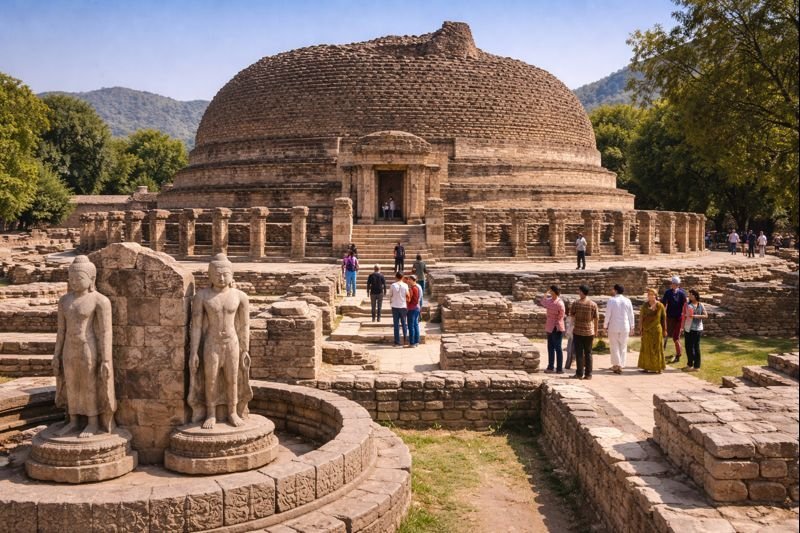
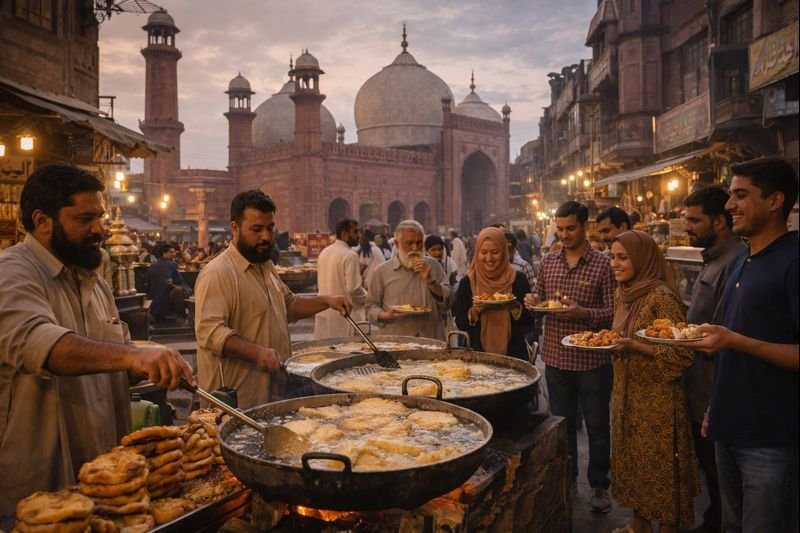
PLahore has long been revered as the cultural, educational and artistic capital of Pakistan. The Khyber Pass has been the access route for invaders entering the Indian subcontinent from time immemorial. However, due to the war-like nature of the local Pathan tribes, no one has been able to hold the pass securely for any length of time. It has been conquered by the Greeks, ruled by the Buddhists, destroyed by the Huns, rebuilt by the Brahmins and invaded by the Moghuls. Takht-i-Bhai, the most impressive Buddhist monastery in Pakistan. The monastery was founded in the first century ad, and was abandoned six hundred years later.
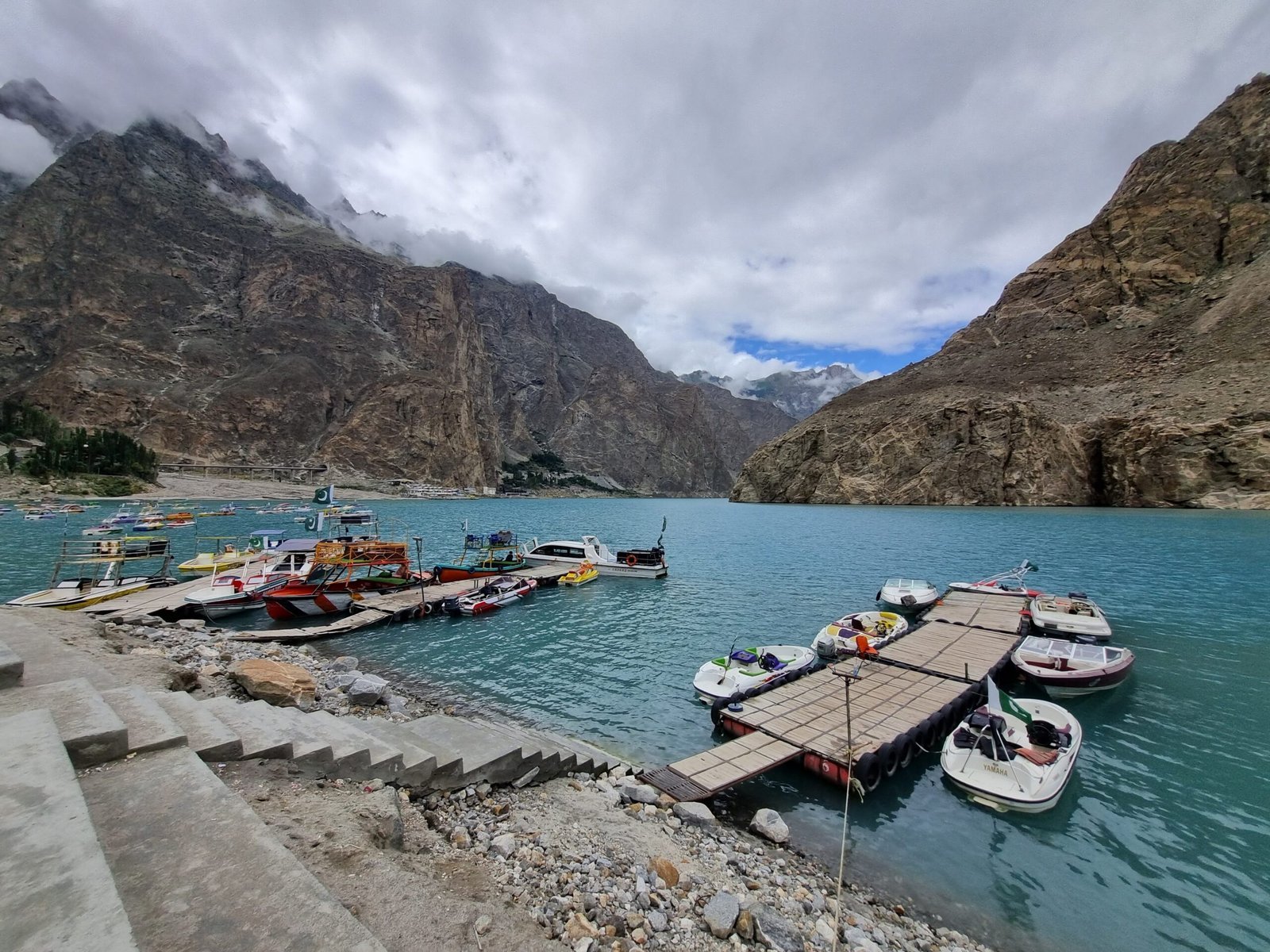
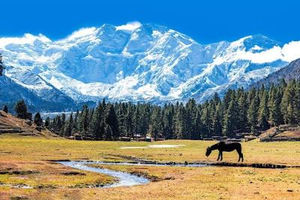
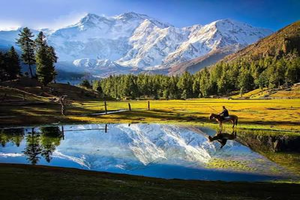
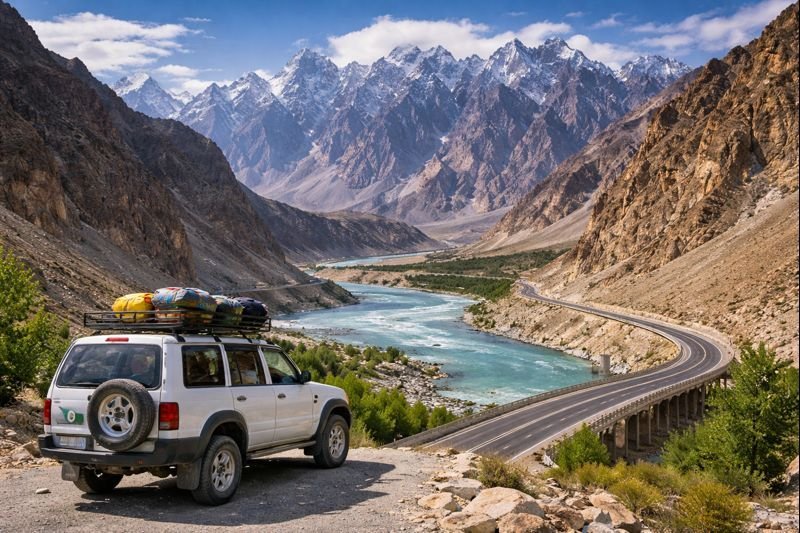
As the capital of Punjab for over 1000 years, Lahore played an important role in the development of trade between the Indian subcontinent and Central Asia. Lacking natural protection, historically Lahore has been invaded and captured time and time again. Its origins and most of its pre-Islamic history are shrouded by legend. One tale tells of how the city was founded and named by Loh, son of Rama Chandara, the hero of the Hindu epic Ramayana. In 1021, the first Muslim ruler conquered Lahore. Mahmud of Ghanzn made Lahore the capital of his empire several years later, and managed to keep control of the city for more than one hundred years. For more than three hundred years to follow, Lahore was tossed between various rival rulers, until it faced stability under the Moghuls in 1524– but only for two centuries. After the Moghuls, the Sikhs ruled until the British arrived in 1846.Peshawar, capital of the North-West Frontier Province. Located at the eastern end of the legendary Khyber Pass, Peshawar has a colourful 2000 year history. This area is a semi-autonomous region where the tribal people pass freely back and forth between Pakistan and Afghanistan. The local people are known as Pathans and are divided into seven main tribes. Many of the men dye their beards orange with henna in the Hunza Valley, long renowned as the original Shangri-la. The people here are famous for their longevity and uncomplicated lives. In the afternoon, we visit Karimabad, the southern center of the valley and the capital of Hunza. From Karimabad we have a magnificent view of the whole Hunza Valley laid out below us and surrounded on all sides by the snow-capped peaks of the Himalayas. We will see Baltit fort, perched on cliffs guarding the valley. Behind the 400 year-old fort looms the Ultar Glacier. The ruggedness of the Hunza Valley is emphasized by the majestic peaks of Batura and Rakaposhi mountains, both over 7650 meters (25 500 feet), towering over the towns below, and the many glaciers which encircle the valley.